

Owning property in Phuket is more than a lifestyle choice — it is a strategic investment with strong long-term potential. With the island continuing to attract international tourists, digital nomads, and lifestyle buyers, rental demand remains resilient across key areas such as Bang Tao, Rawai, Nai Harn, and Kamala. However, maximising rental returns is not automatic. It requires informed decisions, local market understanding, and professional management.
In this article, we share practical insights from the Inter Property Phuket team on how property owners can optimise rental income while protecting their asset. We will explore current market conditions, effective rental strategies, common challenges, and how professional property management adds real value.
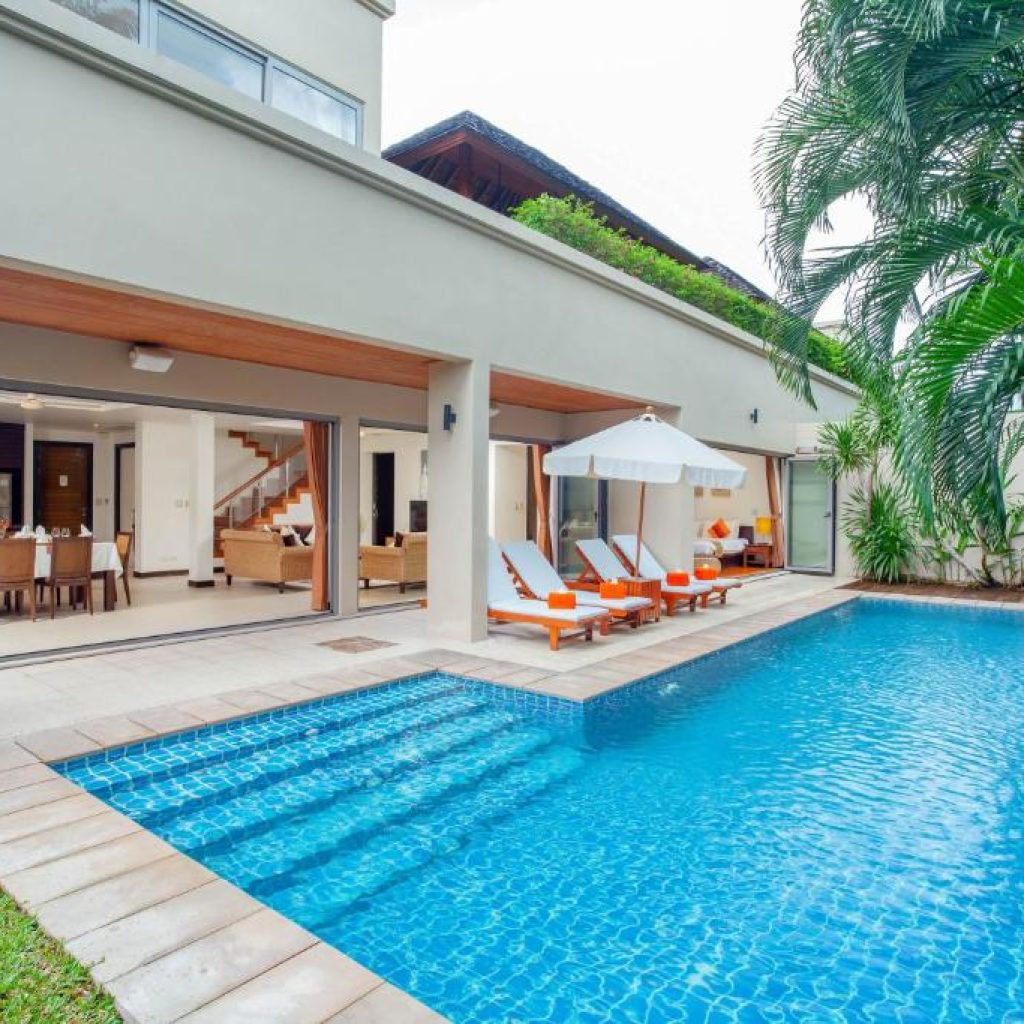
Phuket Rental Market Overview in 2025
Phuket’s rental market has matured significantly over the past decade. While tourism remains the backbone, the profile of renters has diversified. Long-stay tenants, remote workers, and retirees now form a substantial portion of the rental market, particularly in Rawai, Nai Harn, and Bang Tao.
Seasonality still plays a role, with peak demand between November and April. However, well-positioned properties now achieve year-round occupancy when priced and marketed correctly. Villas with private pools and modern condominiums near beaches and amenities continue to outperform older stock.
Infrastructure improvements, international school expansion, and upgraded marinas have also boosted rental demand in areas like Kamala and Cherng Talay. For owners, this means competition is increasing — and only well-managed properties will achieve premium returns.
Choosing the Right Rental Strategy
Selecting the correct rental strategy is one of the most important decisions a property owner can make. Short-term and long-term rentals each offer distinct advantages depending on location, property type, and owner goals.
Short-term rentals typically deliver higher nightly rates during peak season and are well-suited to villas in tourist-driven areas such as Kata, Karon, and Kamala. However, they require active management, regular maintenance, and strong guest communication.
Long-term rentals provide stability and predictable income, particularly in Rawai, Nai Harn, and Bang Tao where expat communities are well established. They reduce wear and tear and lower management intensity.
At Inter Property Phuket, we often recommend a hybrid strategy — short-term rentals during high season and longer stays in low season — to balance income and occupancy.
Common Challenges Property Owners Face
Despite strong demand, many owners struggle to achieve expected returns due to avoidable issues. One of the most common challenges is incorrect pricing. Overpricing leads to long vacancy periods, while underpricing reduces overall yield.
Another issue is poor presentation. In today’s competitive market, outdated furniture, low-quality photos, or neglected maintenance can significantly impact bookings. Guests and tenants expect international standards, particularly in higher-end locations like Bang Tao and Kamala.
Legal compliance is also frequently overlooked. Owners must understand condominium regulations, licensing requirements, and tax obligations. Failure to comply can result in fines or forced rental suspension.
Finally, remote ownership creates communication gaps. Without a trusted local team, small issues can escalate quickly, damaging reviews and tenant relationships.

How Professional Property Management Increases Returns
Professional property management is not a cost — it is an investment. At Inter Property Phuket, our role goes beyond collecting rent. We focus on protecting assets, enhancing guest experiences, and maximising net income.
Our services include dynamic pricing strategies based on real-time market data, professional photography, targeted marketing across international platforms, and strict tenant screening. We also coordinate maintenance, housekeeping, and emergency support, ensuring properties remain in excellent condition.
For short-term rentals, guest satisfaction is critical. Prompt communication, smooth check-ins, and proactive issue resolution directly impact reviews and repeat bookings. For long-term rentals, lease management and tenant relations protect income stability.
Most importantly, owners gain peace of mind knowing their property is managed professionally, even when they are overseas.
Real-World Insight from Phuket Property Owners
One recent example involved a two-bedroom pool villa in Rawai. The owner had been self-managing with inconsistent occupancy and frequent maintenance issues. After transitioning to full management with Inter Property Phuket, we upgraded the interior, adjusted pricing, and implemented a hybrid rental strategy.
Within six months, occupancy increased by over 30%, maintenance costs stabilised, and overall annual returns improved significantly. Similar results are common when properties are positioned correctly and managed proactively.
This reflects a broader truth in Phuket’s property market: success is rarely about location alone. Strategy, presentation, and management make the difference.
Conclusion
Phuket remains one of Southeast Asia’s most attractive property markets, but maximising rental returns requires more than ownership alone. Understanding market trends, choosing the right rental strategy, addressing challenges early, and working with experienced professionals are key to long-term success.
At Inter Property Phuket, we combine local knowledge with international standards to help property owners protect their investment and achieve consistent returns. Whether your property is in Rawai, Nai Harn, Kamala, Kata, Karon, or Bang Tao, our team is ready to support you every step of the way.
If you would like expert guidance on managing or renting your property in Phuket, contact Inter Property Phuket today for a confidential consultation.

Comment (0)